
The Sainte-Baume grotto
The sanctuary of Mary Magdalene, 894 metres up the cliff
Halfway up the north cliff of the Sainte-Baume, at 894 metres, a cavity of twenty-five by twenty metres opens in the Urgonian limestone. Provençal tradition holds that Mary Magdalene arrived here in the year 47 and spent thirty years in prayer and solitude before dying near Saint-Maximin. "Baume" is the Provençal word for a cave: it gave its name to the whole mountain.
Fifteen centuries of pilgrimage
As early as 415, John Cassian, founder of the Saint-Victor abbey in Marseille, set up a priory in the grotto. Popes came in 816 and 878, a Benedictine monastery was established in 1070. On 22 July 1254, Saint Louis climbed to the grotto on his return from the crusade. In 1295, Count Charles II of Anjou obtained from Pope Boniface VIII that the care of the holy places be entrusted to the Dominican friars, who still hold it today. The last royal pilgrim was Louis XIV, on 5 February 1660.
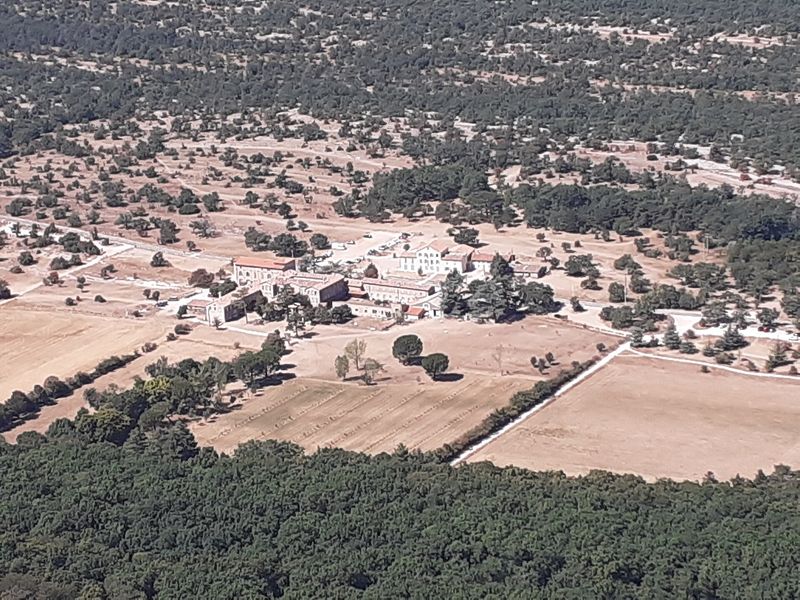
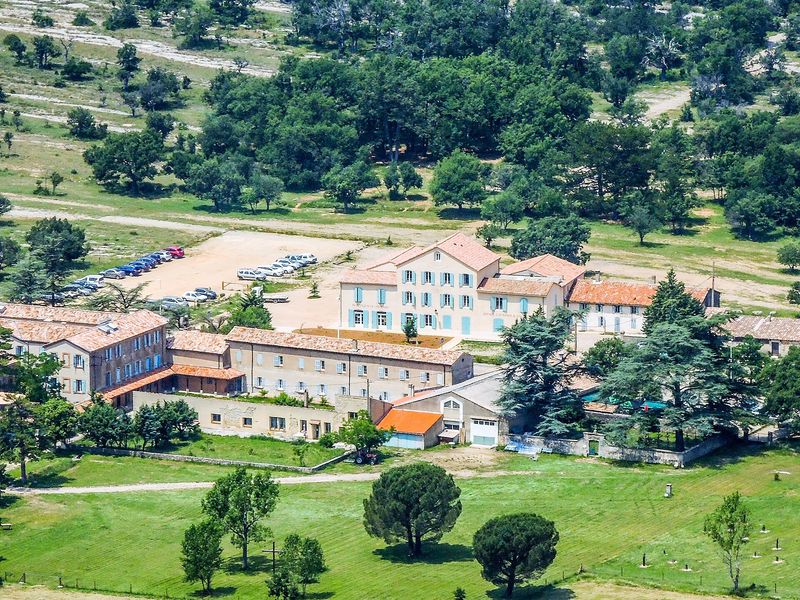
The Revolution looted and destroyed the sanctuary; the statues were beheaded. Louis XVIII restored the grotto's status as a chapel in 1821, but it was Father Henri Lacordaire who, between 1848 and 1859, restored the site and had the Hostellerie built at the foot of the mountain. A community of Dominican friars lives there again.
The visit
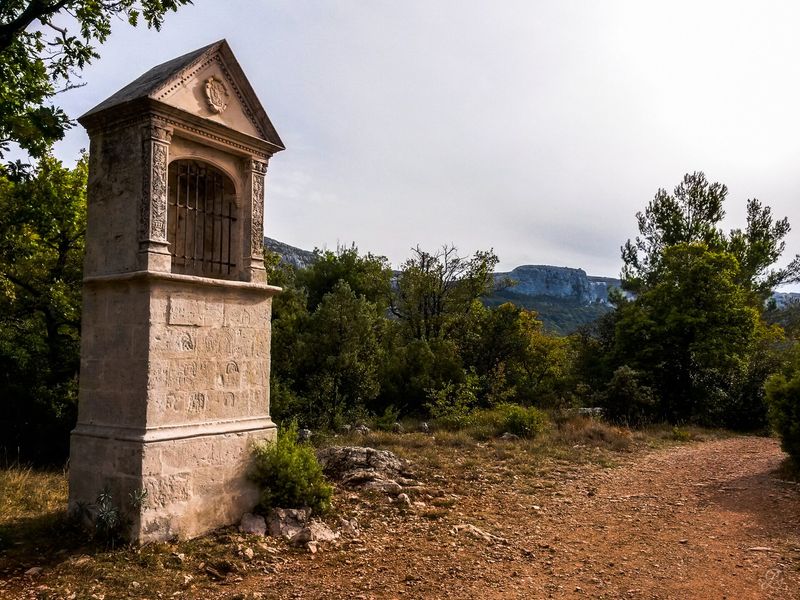
From the Hostellerie, the chemin des Roys and then the chemin du Canapé climb through the forest in about three quarters of an hour to the foot of the cliff. A staircase of 150 steps, as many as the Hail Marys of the rosary, leads to the esplanade and the grotto. The interior, cool and dark, houses an altar and statues; silence is requested. The chapelle des Parisiens and three oratories along the staircase are listed historic monuments.
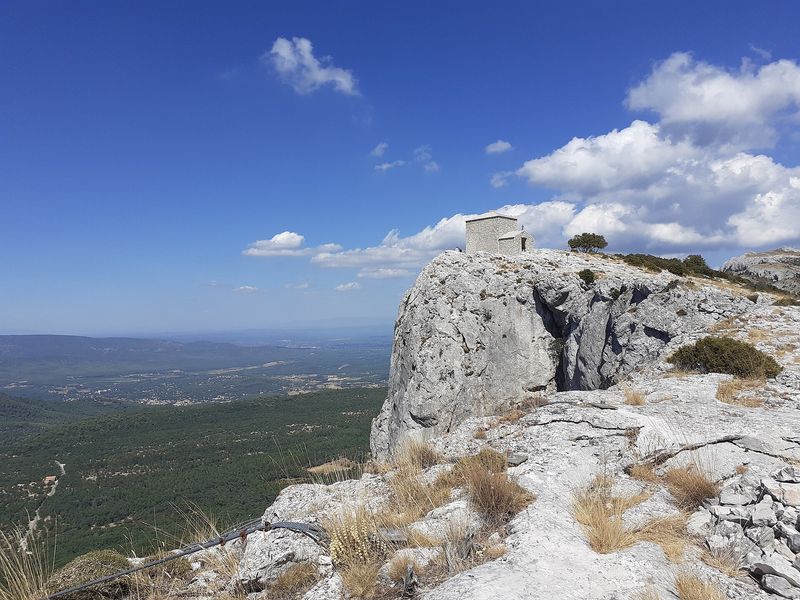
The grotto is open from 8.30 am to 5 pm in winter time and from 7.30 am to 6.30 pm in summer time. The sanctuary receives some 500,000 pilgrims and visitors a year. Above, a steeper path reaches the ridge and the Saint-Pilon chapel.
See also
- Type
- Cave
- Period
- Sanctuaire depuis le Ve siècle, Dominicains depuis 1295
- Protection
- Chapelle des Parisiens et trois oratoires classés monuments historiques
- Reach it on foot
- The grotto and the Saint-Pilon chapel